What it covers
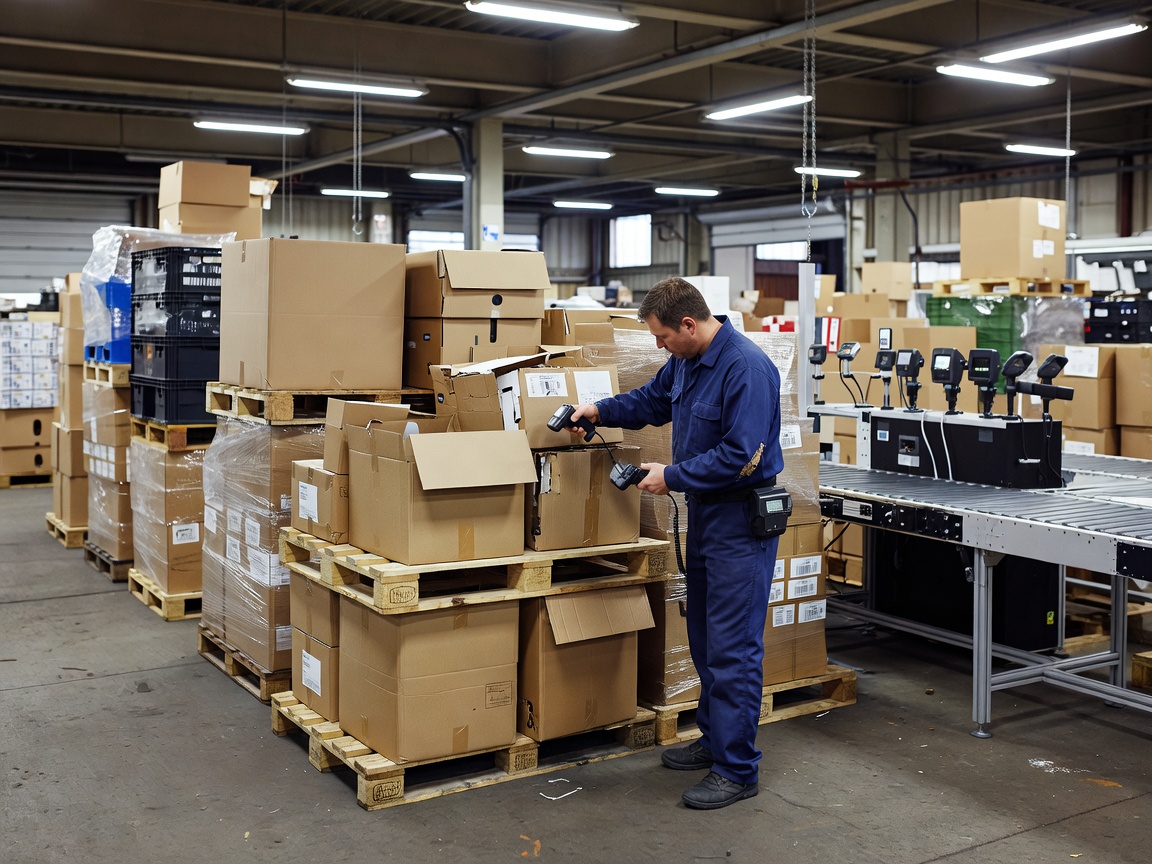
Warehouse processing translates reverse policy into floor activity. It covers receiving zones, unloading, identification, sorting, temporary storage, inspection handoff, repackaging and dispatch preparation.
The design should make status visible without relying on memory. A parcel should have a location, a next action and an accountable handoff. Physical separation matters when goods have different risk, value or handling requirements.
Typical workflow
- Assign an arrival lane and register the inbound container.
- Scan or manually record the item using an exception procedure.
- Sort by product, condition, destination or inspection requirement.
- Place units in controlled temporary storage.
- Repackage, stage and confirm dispatch readiness.
Common operational issues
Congested docks, mixed cartons, unlabelled cages, duplicate scans and poorly defined quarantine areas create avoidable uncertainty. A warehouse may also receive returns in formats that do not match the original outbound process.
When it is useful
Use this service when returns are being processed in outbound space, operators cannot locate held items, or the warehouse system shows a different state from the floor. It supports both dedicated reverse facilities and shared operations.
Advantages and limitations
A clear process reduces unnecessary movement and gives inspection teams a reliable handoff. Layout alone cannot fix weak data, insufficient training or an unsuitable warehouse system. Capacity, equipment and product-specific handling still need separate assessment.
Selection criteria
Map arrival profiles, scan points, storage states, quarantine triggers, packaging needs and dispatch interfaces. Define the manual fallback for damaged labels or unavailable system access. Use simple signage and consistent identifiers.
Good for
Operations receiving mixed return types, sites with separate inspection and dispatch teams, and retailers preparing for seasonal or regional changes in return volume without relying on unsupported forecasts.
What to know
Warehouse control is a sequence of physical decisions. Every move should preserve identity and status.